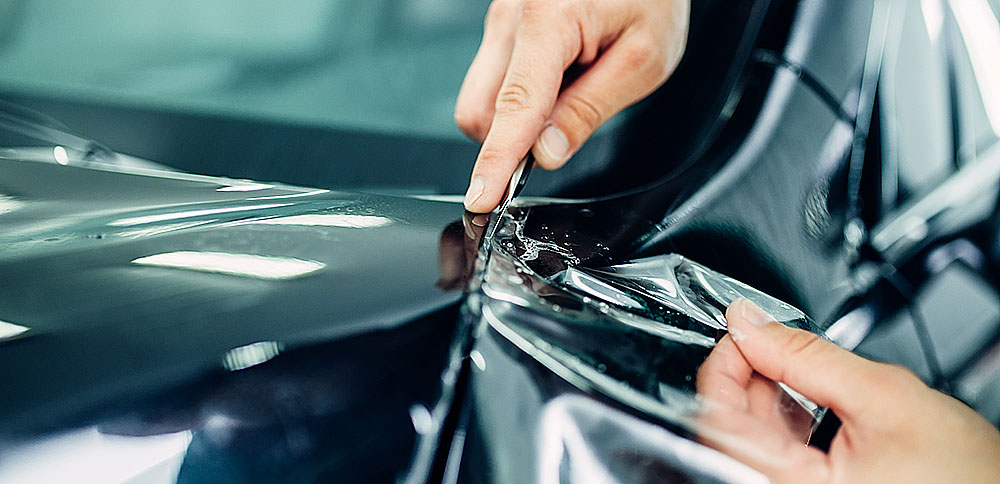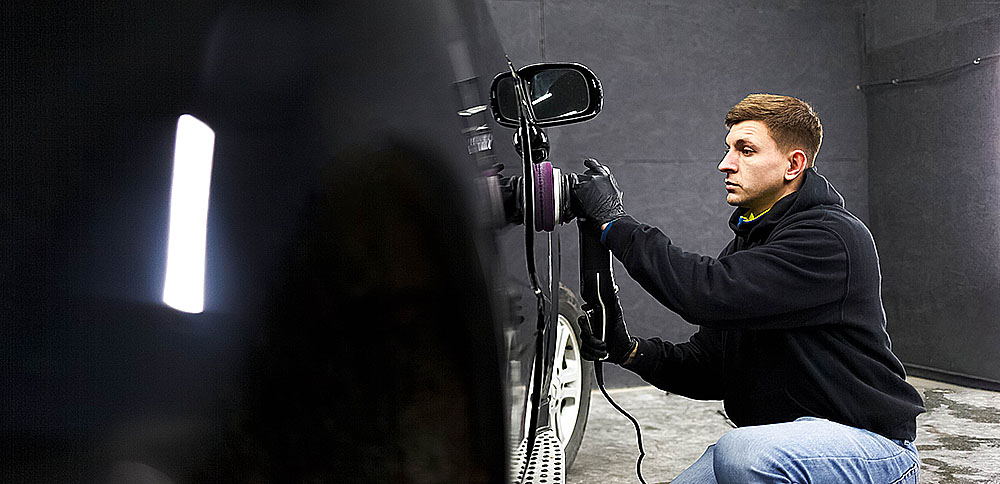
PPF keeps your vehicle’s paint protected from chips and scratches and fading. However, proper paint protection film installation is necessary to ensure it lasts a long time. If you want to know what a bad PPF installation job looks like, here are some hints and signs to look out for.
Signs Of Poor PPF Installation
Bubbles Or Air Pockets
Bubbling is a common sign of poor PPF installation. The PPF sheet should not have any bubbles because this doesn’t only look bad, it also means that there is air, moisture, or dust trapped under the film. It happens when the surface isn’t cleaned properly before installation, the installation location isn’t protected from dust and debris, or the installer isn’t skilled enough.
Bubbling and air pockets on a PPF are a huge problem because if something is trapped under it, the adhesive won’t work as it should. So, the PPF will peel or lift very soon, leaving you with no choice but to have it repaired or replaced.
Wrinkling And Creasing
A properly installed PPF doesn’t look wrinkled or stretched. There are no stretch marks that look like someone forcefully applied the film. However, if there are, this means someone amateur installed it who didn’t use proper techniques or didn’t follow the requisites for the PPF application.
This makes the car look real bad because the PPF appearance won’t be smooth and the creases and stretch marks will be even more visible during the daytime.
Cloudy PPF
If the PPF doesn’t look clear enough, it means the installer didn’t apply a high-quality film or the film was installed in a highly humid area. This will also have this problem that there will be trapped moisture under the film, which won’t let the adhesive keep the PPF intact. There is a high risk of it peeling much sooner than you would expect or want.
And in case the cause of the issue is the former, low-quality PPF, then it will also fade and lift very soon, even when applied properly.
Bad PPF Cutting And Trimming
Paint protection films are trimmed precisely to cover all the parts of the car without looking uneven or non-uniform. However, if the PPF was not trimmed properly or there were sizing errors, the PPF will look too obvious around the door handles and various curves of the vehicle.
Improper cutting also means that the PPF may not completely cover the entire vehicle, which can create more problems than poor aesthetics. It will leave space for moisture, dust, and debris to find their way into the film and lead to bubbling and peeling.
Yellowing Or Discoloration
A yellowing or fading PPF usually means that it has reached the end of its lifespan. However, if this happens too soon, the issue is either a low-quality PPF or improper installation. In most cases, it’s a low-quality paint protection film. These PPFs don’t have good UV protection or self-healing properties, so they discolor very quickly when they stay under direct sunlight for long.
You should check with the installer if the PPF brand you installed offers a warranty or not and if the product is still under warranty. Similarly, this rule applies to car window tint films as well. Choose a reliable brand and a good auto tint shop Springfield for lasting tints.
No Self-Healing
If your paint protection film is not self-healing, it’s always due to low-quality PPF. But before concluding, make sure that it’s not self-healing.
Look for minor scratches that aren’t too deep. Apply warm water on it and leave it for some time. You can also park it under the sun or use a heat gun or a hair dryer. The self-healing properties should activate and fix the minor scratches if the PPF is high-quality. But if it’s low quality, even minor scratches won’t self-heal.
PPF Problems That Aren’t The Fault Of The Installer
There are a few things that can also affect PPF installation or its longevity, and for them, the installer is usually not responsible.
Paint Imperfections
Any scratches, swirls, or paint imperfections of the vehicle before the PPF installation must be corrected. If they are not, PPF won’t properly adhere to the car’s surface and there will be a higher risk of moisture and dust getting inside, causing peeling and discoloration.
For car paint problems, usually the car owner is responsible for correcting them or informing the PPF installer to fix them before the installation. However, the installer should also be responsible enough to thoroughly inspect the vehicle’s surface and inform the car owner about problems. All reputable installers do that.
So, the imperfections of the vehicle before the PPF installation are the vehicle owner’s responsibility, while inspecting the vehicle and addressing the imperfections or mentioning them under warranty is the installer’s responsibility.
Remember that there are two types of warranties: the installer’s warranty and the PPF manufacturer’s warranty.
The installer’s warranty covers problems related to the PPF installation, while the PPF manufacturer’s warranty covers material defects. So, it’s better to choose a PPF installer that offers an installer’s warranty and a PPF brand that offers its product’s warranty.
Poor PPF Maintenance
Many PPF warranties don’t cover damage or fading due to poor maintenance. Therefore, maintaining the PPF is important so that it lasts for a long time. Below are some ways to properly care for PPF:
Never Use Harsh Cleaners
There are many types of car exterior cleaners, so you need to pick only those that are especially for PPF-coated cars. Try to avoid waxes and polishes that are not for PPFs. Plus, avoid high-temperature waxes as well.
Gently Wash The Car
You should wash the car, but do it gently so the moisture doesn’t get under the PPF, because if it does, the PPF will take very little time to lift. And once peeling begins, it won’t stop unless you have it professionally fixed.
So, use a soft microfiber cloth and cool water. When using a pressure washer, be very careful and avoid pointing it towards the edges.
No Abrasive Cleaning Tools
Similar to the above tips that you must not use harsh cleaners, the cleaning tools must never be abrasive as well, because they can cause deep scratches in PPFs, which will then allow moisture and debris in.
Don’t Dry The Vehicle Under Direct Sunlight
Avoid drying the car in direct sunlight because it may leave mineral deposits on PPF which won’t easily go away. Instead, use a microfiber towel for drying the vehicle.
Clean Visible Substances Quickly
Things like tree sap, bird droppings, and road tar have chemicals that can damage the paint protection film if left there for long. So, make it a priority to clean these things as quickly as possible.
Park In A Shade
Even when not drying, UV light is bad for paint protection films. So, whenever you can, park your car in the shade.
Choose Your Routes And Parking Spots Wisely
Try to avoid routes where you would expect it to be bumpy because small rocks and debris can scratch the PPF. Plus, avoid parking in areas where there is a risk of someone scratching the exterior.
Conclusion
If there are bubbles or air pockets on PFF or it looks stretchy or cloudy, it may be due to a bad installation job. So, make sure to choose a reliable paint protection film installer Springfield to avoid installation disasters.