Nobody thinks about their heating system until it stops working. That’s just how it goes. You cruise through summer and fall completely forgetting that metal box in your basement exists, then first really cold night arrives and suddenly heating becomes the only thing that matters. Problem is that’s exactly the worst time to discover something’s wrong because every HVAC company in town is slammed with emergency calls. Getting ahead of issues with regular maintenance and addressing small problems early saves you from freezing while waiting for heat pump repair during the busiest time of year.
Understanding Different Heating Systems
Not all heating systems work the same way and knowing what you have helps you understand what can go wrong and how to maintain it properly. The three most common types in residential homes are furnaces, heat pumps and boilers, each with its own quirks and maintenance needs.
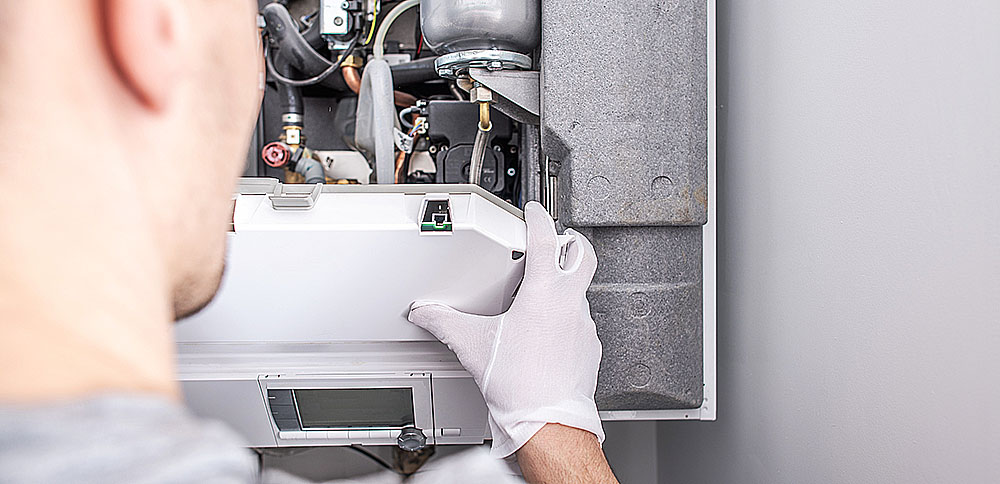
Furnace services Port Jefferson are probably what most people picture when they think of home heating. They burn fuel, usually natural gas but sometimes propane or oil, to create heat that gets distributed through ductwork. Gas furnaces are generally reliable and efficient but they do involve combustion which means there’s potential for carbon monoxide issues if something goes wrong. That’s why annual inspections are particularly important for furnaces.
Heat pumps work completely differently. They don’t create heat, they move it from outside air into your home. Yes even cold outside air contains heat energy that can be extracted. This makes them very efficient in moderate climates but they struggle when temperatures drop really low. Many homes with heat pumps have backup electric heating strips or secondary furnace for the coldest days. Heat pumps also provide cooling in summer which is nice two for one benefit.
Boilers heat water that then circulates through radiators or radiant floor systems. They’re common in older homes especially in the northeast. Boiler systems tend to provide very comfortable even heat but they’re more complex with more potential failure points. Leaks, pressure issues and circulator pump problems are common boiler complaints.
Warning Signs Something’s Wrong
Your heating system usually gives warning signs before it completely fails. Paying attention to these signs and acting on them prevents small problems from becoming expensive emergencies. The trick is actually noticing them instead of ignoring like most of us tend to do.
Strange noises are often first indicator that something needs attention. Banging, squealing, clicking or grinding sounds aren’t normal and usually mean specific component is failing. A squealing noise might indicate belt problem or motor bearing going bad. Banging could be ignition issue or ductwork problem. Don’t just turn up the TV to drown it out, that noise is trying to tell you something.
Uneven heating throughout your house suggests distribution problems. If some rooms are toasty while others stay cold, there might be ductwork issues, zoning problems or your system might be undersized for your home. This is frustrating to live with and also means your system is working harder than it should which increases wear and energy costs.
The Value of Preventive Maintenance
I know maintenance contracts feel like unnecessary expense when everything seems fine. That’s exactly how I used to think before my December disaster. But the math actually works out in favor of regular maintenance when you consider what you’re preventing.
Annual tune ups catch small problems before they become big ones. Technician inspects all components, cleans things that need cleaning, tightens connections, and identifies parts that are wearing out. Given that replacement costs thousands of dollars, even small extension of useful life represents real savings. It’s like oil changes for your car. Skip them and engine wears out faster.
Efficiency stays higher with maintained equipment which means lower energy bills month after month. Dirty components, worn parts, and improper settings all reduce efficiency. Annual tune up restores system to peak performance, so you’re not paying to heat air that’s escaping through gaps or pushing system harder than necessary to maintain temperature.
Warranty requirements often include regular maintenance. Many manufacturers void warranty coverage if you can’t show proof of annual professional service. That expensive compressor or heat exchanger that fails might not be covered if you skipped your tune ups. Read your warranty terms carefully because this catches a lot of people off guard.
Finding Reliable HVAC Company
Not all HVAC companies provide same level of service and finding good one before you desperately need them makes emergency situations much less stressful. When your heat dies at 2am you don’t want to be googling reviews with frozen fingers trying to figure out who to call.
Ask neighbors, friends and family who they use. Word of mouth recommendations are valuable because people only recommend companies that actually showed up, did good work and charged fairly. Online reviews help too but personal recommendations from people you trust carry more weight.
Look for proper licensing and insurance. HVAC work involves gas lines, electrical connections and refrigerants that require training and certification to handle safely. Unlicensed contractors might offer cheaper prices, but they’re also more likely to make mistakes that could be dangerous or damage your equipment. Always verify credentials before letting anyone work on your system.
Get multiple quotes for any significant work. Prices vary widely between companies, and getting three quotes helps you understand reasonable range for your area. Be wary of quotes that are dramatically lower than others because that usually means corners will be cut somewhere. Also be skeptical of high pressure sales tactics pushing you toward more expensive options than you actually need.
Ask about emergency availability since heating problems don’t always happen during business hours. Does the company offer 24/7 service? What are their emergency rates? How quickly can they typically respond? Knowing this upfront helps you make informed decision about who to establish relationship with before crisis hits.
When Repair vs Replace Makes Sense
At some point every heating system reaches the end of its useful life and continuing to repair becomes throwing money away. Knowing when you’ve crossed that line helps you make smart financial decisions rather than emotional ones made in middle of cold snap.
Age is major factor. Gas furnaces typically last 15 to 20 years, heat pumps around 15 years, and boilers can go 20 to 30 years with good maintenance. If your system is approaching or past these ages and needs expensive repair, replacement probably makes more sense. Putting $1500 into repair for 18 year old furnace that might fail completely next year isn’t great investment.
Frequency of repairs indicates system is wearing out. If technicians are at your house every winter fixing different things each time, the writing is on the wall. Those repair bills add up and at some point, you’ve spent more keeping old system limping along than a new one would have cost.
Final Thoughts
Find a reliable HVAC company now before you need one desperately. Schedule that annual maintenance you’ve been putting off. And if something seems wrong don’t wait until coldest day of year to deal with it. Getting heating service repair Huntington handled promptly means you stay comfortable and avoid premium prices that come with emergency calls. Your future self shivering in a cold house will wish you had taken care of things when you had the chance.