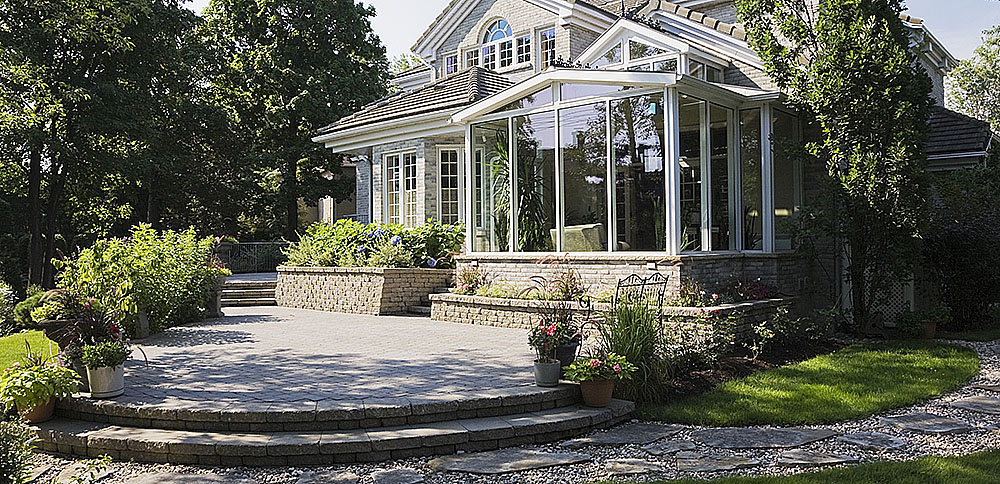
The most successful patio designs balance aesthetic appeal with practical considerations including traffic flow, sun exposure, privacy needs, and maintenance requirements. Working with experienced patio contractors ensures that structural elements are properly installed while design choices reflect your personal style and complement your home’s existing architecture. The difference between a mediocre outdoor space and a truly vibrant patio lies in the careful selection and integration of color schemes, textures, furnishings, lighting, and landscaping that work together to create an inviting atmosphere where people naturally want to gather and spend time outdoors.
Color Palette and Visual Energy
Color selection dramatically impacts the mood and energy level of your patio space, with vibrant hues creating excitement while softer tones promote relaxation. Bold accent colors through cushions, umbrellas, planters, and accessories inject personality into neutral hardscape foundations without overwhelming the space. Consider how exterior paint colors on adjacent walls, fences, or home siding interact with your chosen patio palette to ensure harmony rather than clashing combinations.
Warm colors including reds, oranges, and yellows create energetic, welcoming environments perfect for entertaining and social gatherings. Cool tones like blues, greens, and purples establish calming atmospheres ideal for peaceful retreat spaces focused on relaxation. Using a dominant neutral base with pops of vibrant color provides flexibility to refresh the space seasonally by simply swapping out accent pieces rather than undertaking major renovations. The interplay between natural material colors like wood, stone, and brick with deliberately chosen decorative elements creates depth and visual interest that keeps the space from feeling flat or monotonous.
Flooring Materials and Surface Textures
The foundation of any patio design starts with flooring materials that set the tone for the entire space while providing durability for years of outdoor exposure. Natural stone pavers including flagstone, slate, and travertine offer timeless beauty with unique variations in color and texture that create organic, high-end aesthetics. Concrete pavers provide versatility with endless shape, size, and color options at more accessible price points than natural stone while still delivering attractive, long-lasting results.
Stamped and stained concrete allows for creative patterns and colors that mimic expensive materials while offering seamless surfaces easy to maintain and furnish. Wood decking creates warmth and natural beauty but requires more maintenance than masonry options, making material selection dependent on your willingness to invest in ongoing care. Mixing different flooring materials defines separate functional zones within larger patios, using stone for dining areas and wood for lounging spaces to create visual distinction without physical barriers. Texture variety through combining smooth and rough surfaces adds tactile interest while addressing practical concerns like slip resistance near water features or pools.
Furniture Selection and Arrangement
Choosing the right outdoor furniture transforms a patio from empty hardscape into a functional living space where people actually want to spend time. Comfortable seating proportioned appropriately for the space creates inviting conversation areas without making the patio feel cramped or cluttered. Dining sets anchor entertaining spaces while lounge furniture including sofas, chairs, and chaises establish relaxation zones for reading, napping, or casual socializing. Consider furniture scale carefully, as pieces too large overwhelm small patios while too-small furniture looks lost in expansive outdoor rooms.
Weather-resistant materials including powder-coated aluminum, synthetic wicker, teak, and marine-grade fabrics withstand sun, rain, and temperature fluctuations without constant maintenance or indoor storage. Arranging furniture to encourage conversation by creating intimate groupings rather than lining pieces against walls makes spaces feel more inviting and purposeful. Flexibility through lightweight pieces that can be easily rearranged allows the space to adapt for different activities from intimate dinners to large party gatherings throughout the seasons.
Shade Structures and Overhead Elements
Managing sun exposure through thoughtful shade solutions makes patios usable during peak daylight hours while adding architectural interest overhead. Permanent structures including pergolas, arbors, and pavilions provide substantial shade while creating defined outdoor rooms with strong visual presence. Retractable awnings offer flexibility to adjust shade coverage based on time of day, weather conditions, and personal preference without the permanence of fixed structures. Large umbrellas in bold colors or patterns serve dual purposes as shade providers and striking visual focal points that inject vibrancy into the design. Shade sails stretched at angles create contemporary geometric interest overhead while protecting specific areas from intense sun exposure.
Living shade through strategically planted trees provides natural cooling along with environmental benefits including improved air quality and wildlife habitat. Overhead elements also create opportunities for hanging plants, lighting fixtures, and decorative elements that utilize often-overlooked vertical space. Working with skilled patio builders Long Island ensures that shade structures integrate seamlessly with existing architecture while meeting structural requirements for wind loads and proper drainage that protects the investment over time. Combining multiple shade solutions throughout the space addresses different exposure levels and functional needs within various patio zones.
Lighting Design for Ambiance and Function
Strategic lighting extends patio usability into evening hours while creating dramatic ambiance that transforms the space after dark. Layer different light types including ambient, task, and accent lighting to provide both functionality and atmosphere appropriate for various activities. String lights suspended overhead create magical, festive environments perfect for entertaining while providing gentle illumination for navigation and conversation. Built-in fixtures including wall sconces, post lights, and step lights ensure safe movement through the space while highlighting architectural features.
Uplighting trees, plantings, and structural elements adds depth and drama that makes the patio feel like a professionally designed outdoor room. Candles and lanterns contribute soft, flickering light that creates intimate, romantic settings for quiet dinners or relaxed evenings. LED technology provides energy-efficient options with long lifespans and cool operation temperatures safe around fabrics and plantings. Dimmers and smart controls allow you to adjust lighting levels based on activities and mood, transitioning from bright task lighting for outdoor dining to subdued ambiance for late-night relaxation.
Plantings and Living Elements
Incorporating plants and greenery brings life, color, and natural beauty to patio spaces while softening hard architectural edges. Container gardens offer flexibility to change plantings seasonally and move arrangements for different occasions or sun exposure needs. Colorful annuals provide vibrant blooms throughout growing seasons while perennials establish permanent presence that returns year after year with minimal replanting. Vertical gardens and living walls maximize planting areas in compact spaces while creating stunning focal points that improve air quality.
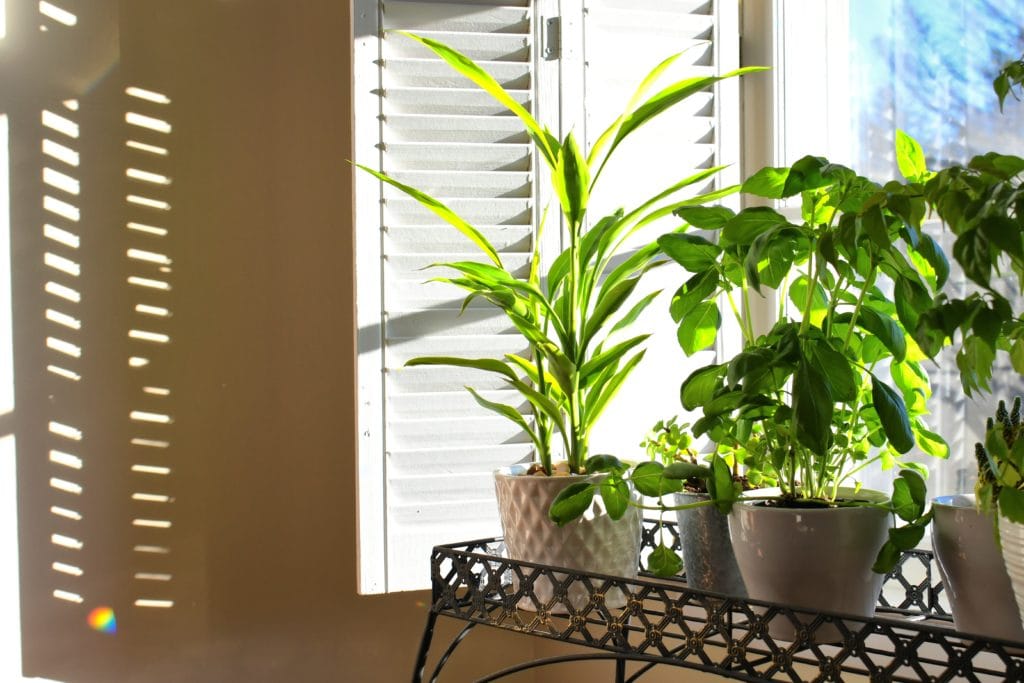
Herbs planted near seating or dining areas provide fresh ingredients for cooking while releasing pleasant fragrances when brushed against or crushed. Tropical plants in containers create resort-like atmospheres even in temperate climates when brought indoors during cold months. Consider using plants at various heights from ground covers to tall specimens that create layers and visual depth throughout the space. Fragrant varieties including jasmine, lavender, and roses enhance the sensory experience beyond just visual beauty.
Water Features and Sound Elements
Adding water features introduces soothing sounds that mask neighborhood noise while creating focal points that elevate the entire patio design. Fountains ranging from classic tiered designs to contemporary sculptural pieces suit various aesthetic preferences and space constraints.
Small ponds with aquatic plants and fish create miniature ecosystems that bring movement and life to the patio environment. Wall-mounted water features work well in compact spaces where floor area is limited but vertical surfaces remain available. The sound of moving water creates natural white noise that promotes relaxation while making the space feel more private and secluded. Consider the scale of water features carefully to ensure the sound level suits the space without becoming overwhelming in confined areas. Solar-powered options provide sustainable operation without electrical complications or ongoing energy costs. Combining water features with accent lighting creates stunning nighttime displays that showcase the movement and reflective qualities of water.
Conclusion
Dining areas positioned near cooking zones facilitate easy serving while maintaining separation from lounging spaces. Bar seating adjacent to cooking areas creates social environments where guests interact with the chef during meal preparation. Professional installation by qualified outdoor kitchen contractors Long Island ensures proper gas lines, electrical connections, drainage, and ventilation that make outdoor cooking safe, functional, and code-compliant while protecting your investment through quality construction that withstands weather exposure and heavy use for many years of outdoor culinary enjoyment.